

Project

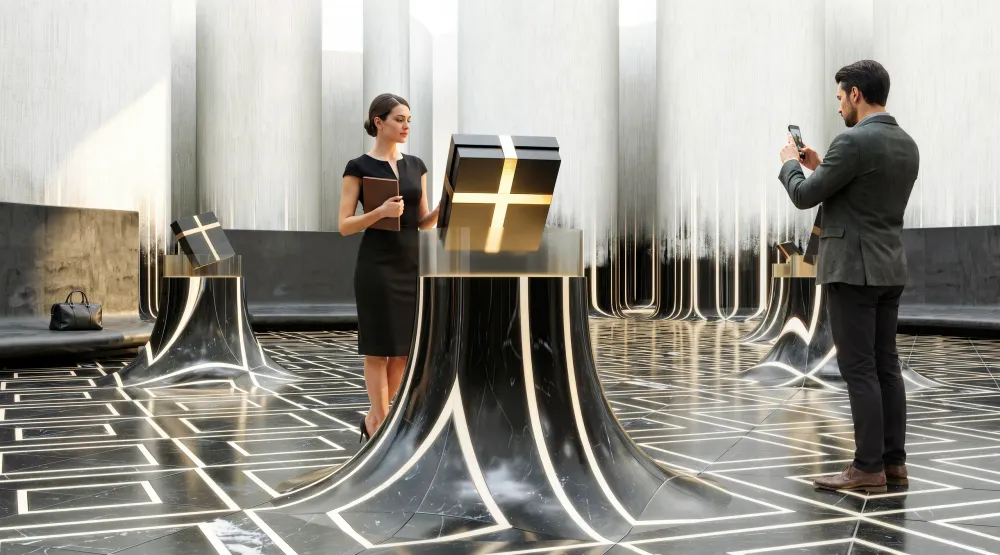
Virtual Solution · London, UK
Interactive virtual store: 82 viewpoints in a browser
Our own concept for retail: a flagship you walk through with no app and no headset, built in 3ds Max and WebGL over six weeks.
Overview
The Brief
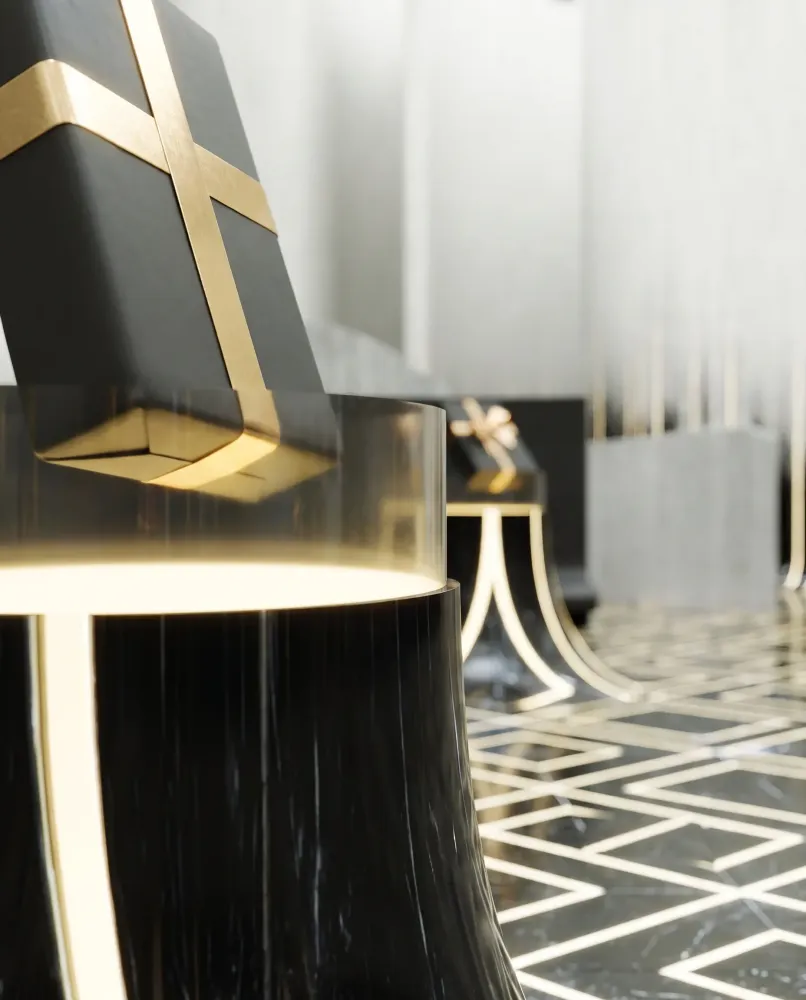
We built this one for ourselves, to answer the question retailers keep asking: what does a shoppable 3D store actually feel like. A product grid is efficient and flat, a showroom visit is neither, and most demos of the format need an app or a headset. So this runs in a plain browser, the products are modelled to be judged on texture and scale, and the floor is walkable. It is the format we sell as a virtual showroom.
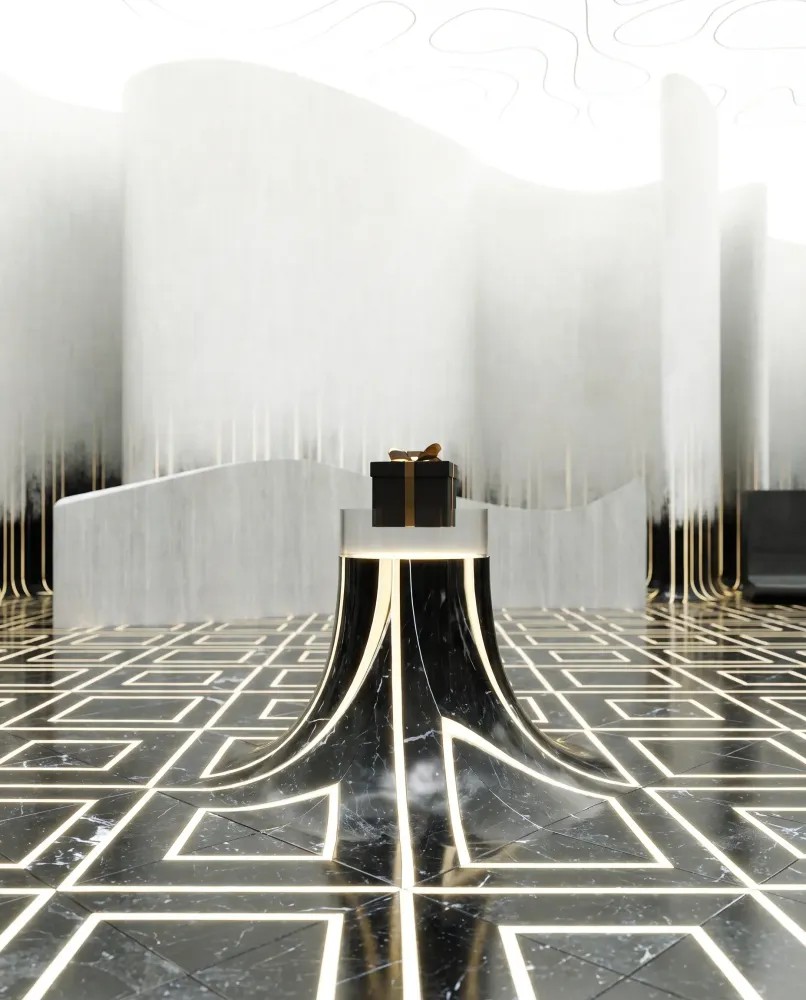
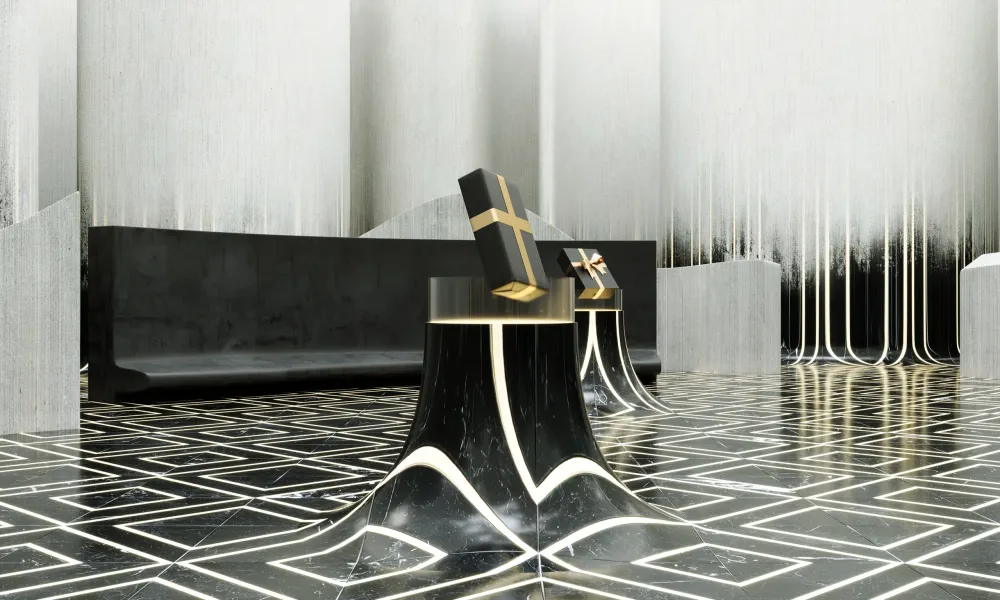
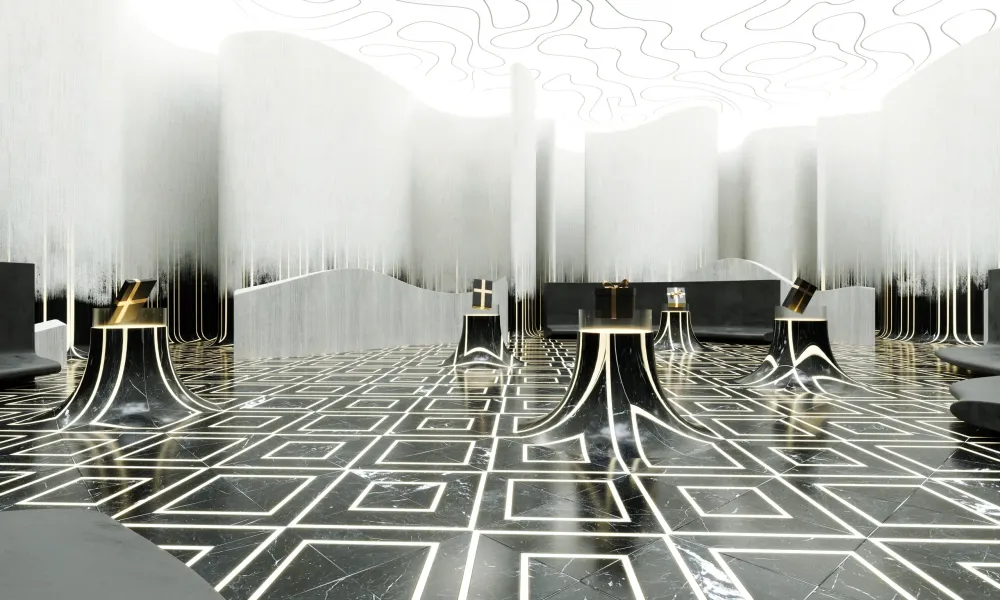
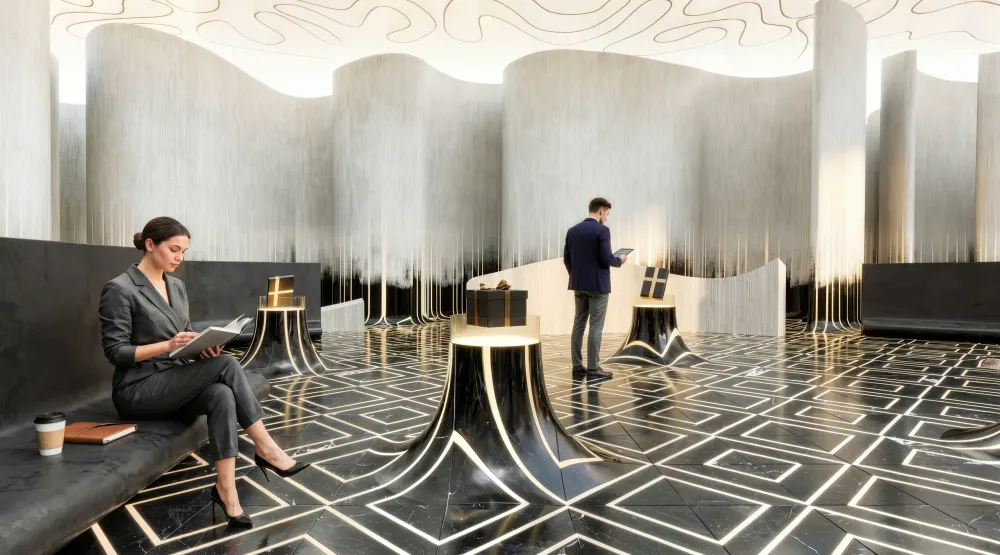
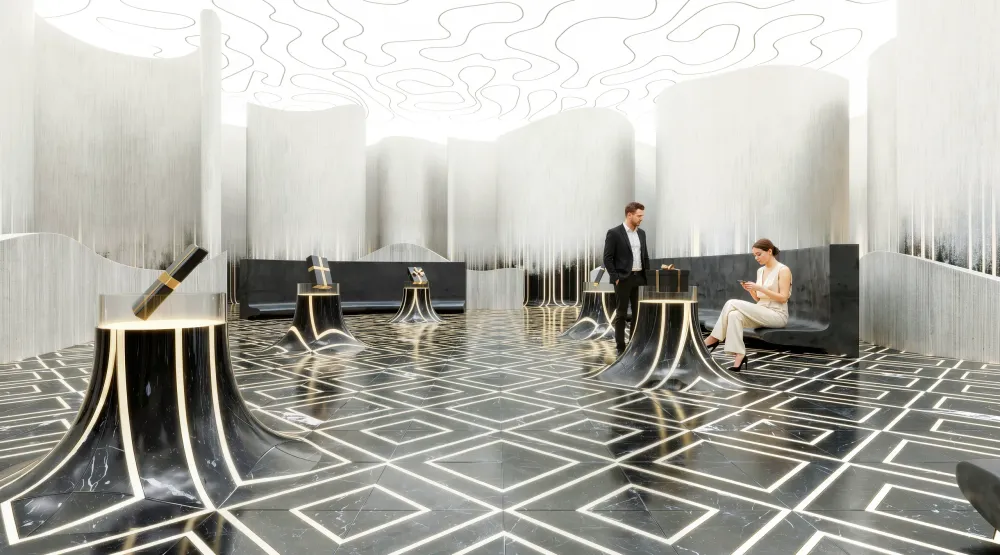

01 / 06
The craft
Where the six weeks went
Half the schedule went into assets, modelling and optimising the products and the room. The other half went into the interactive layer: navigation, hotspots and performance tuning so it holds a frame rate on a laptop. The asset half is the one that grows with the catalogue, which is the number to ask about when scoping a real store. More on where the format pays off in virtual showrooms for retailers.
82
Camera Positions
6
Renders Delivered
42
Days Turnaround


















Your project next
Ready to visualize yours?
Talk through your project on WhatsApp, or see exactly what it costs below.
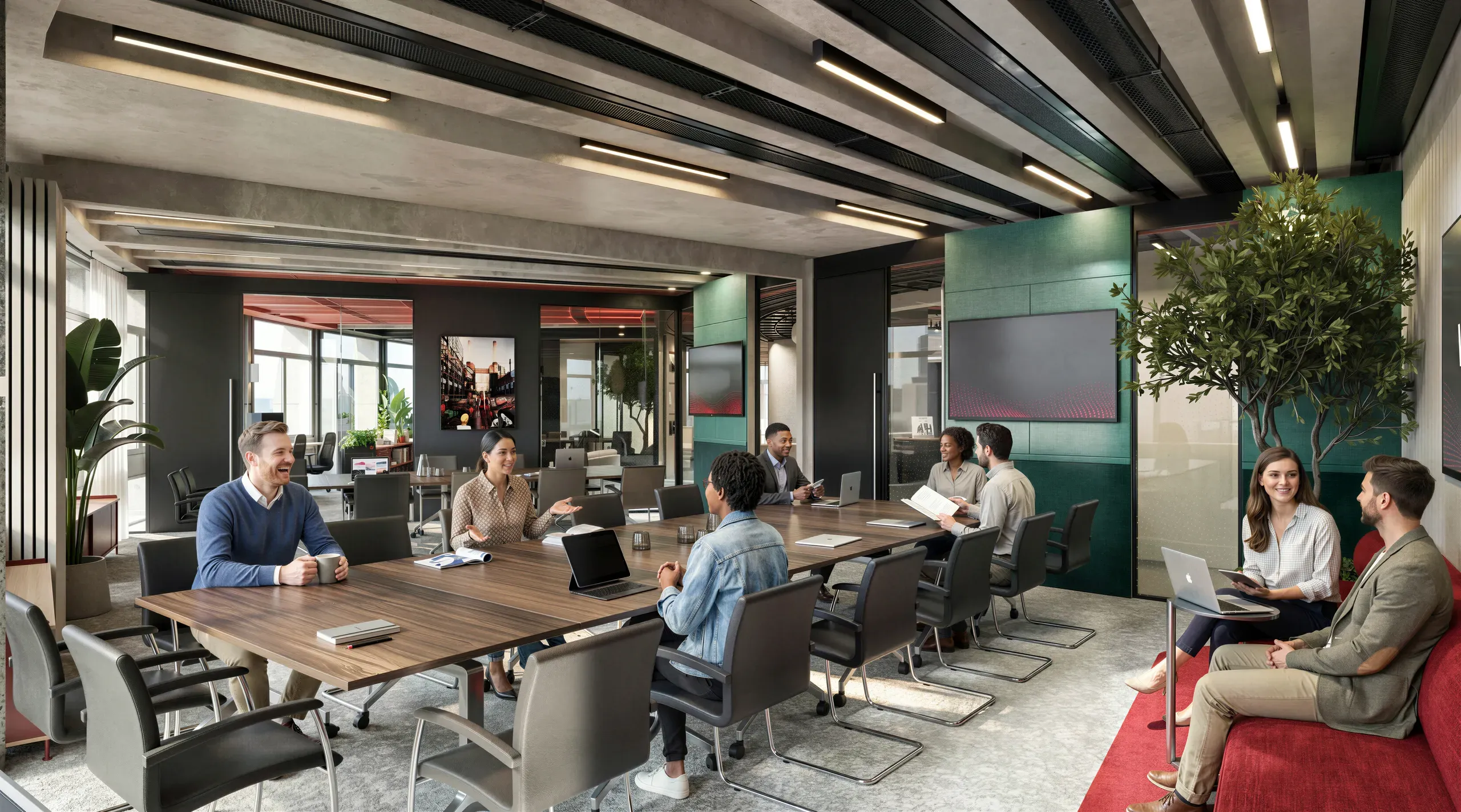
Drag to compare. Same scene, before and after our upgrade.


