

Project

Virtual Solutions
Virtual Culture
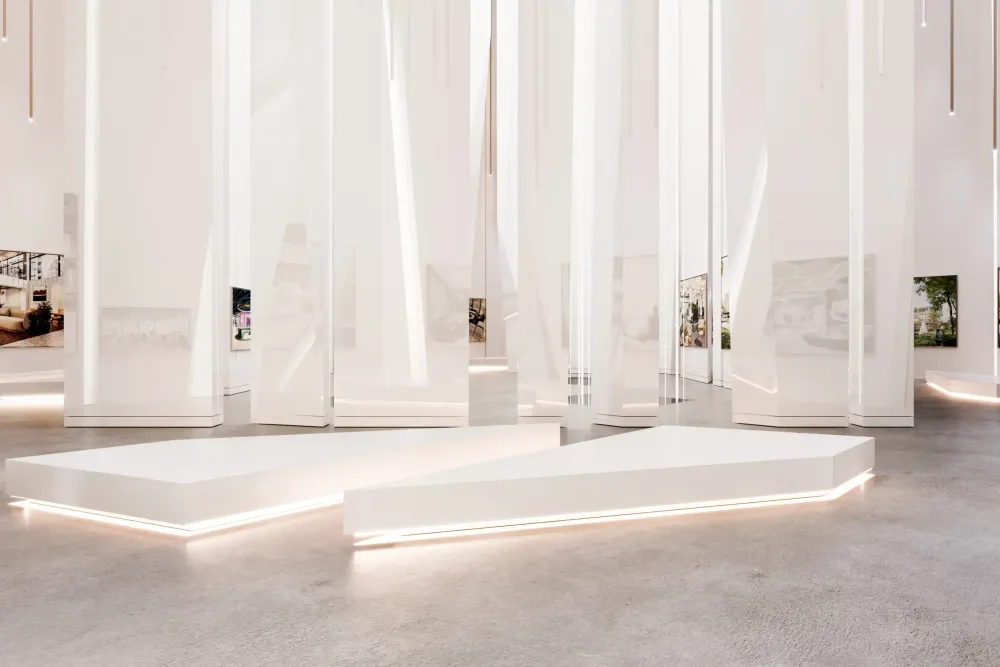
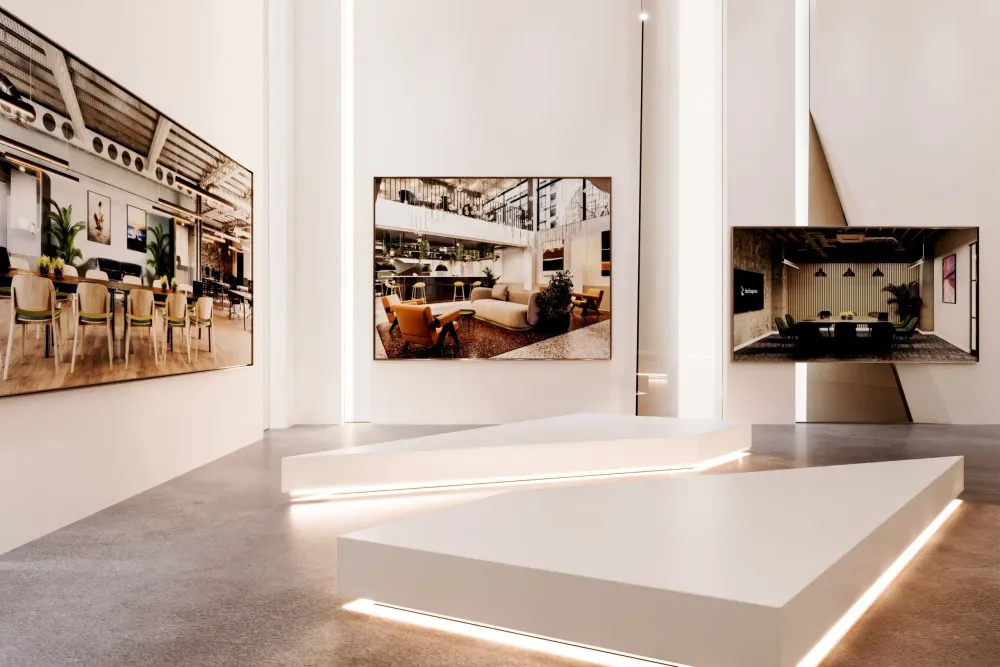
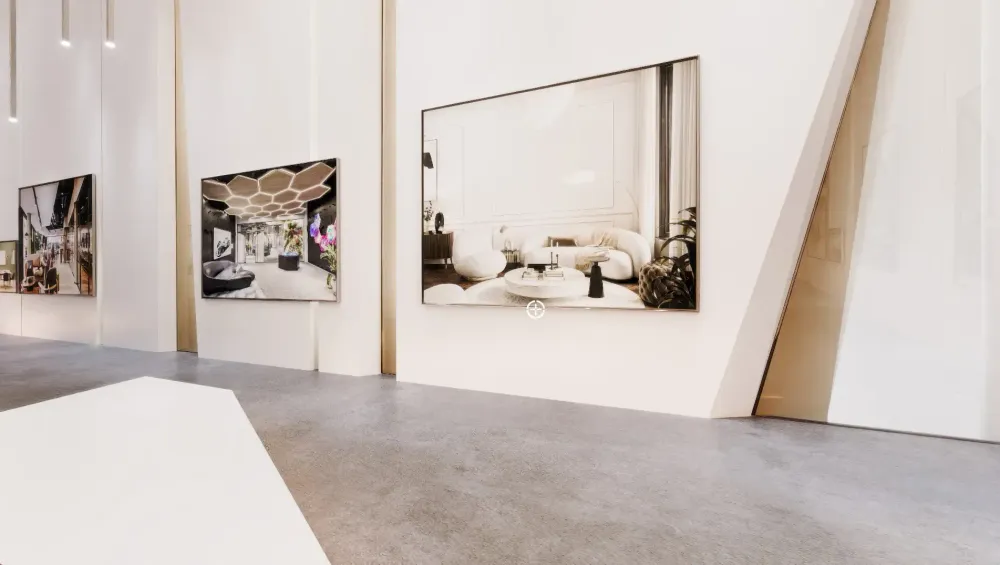
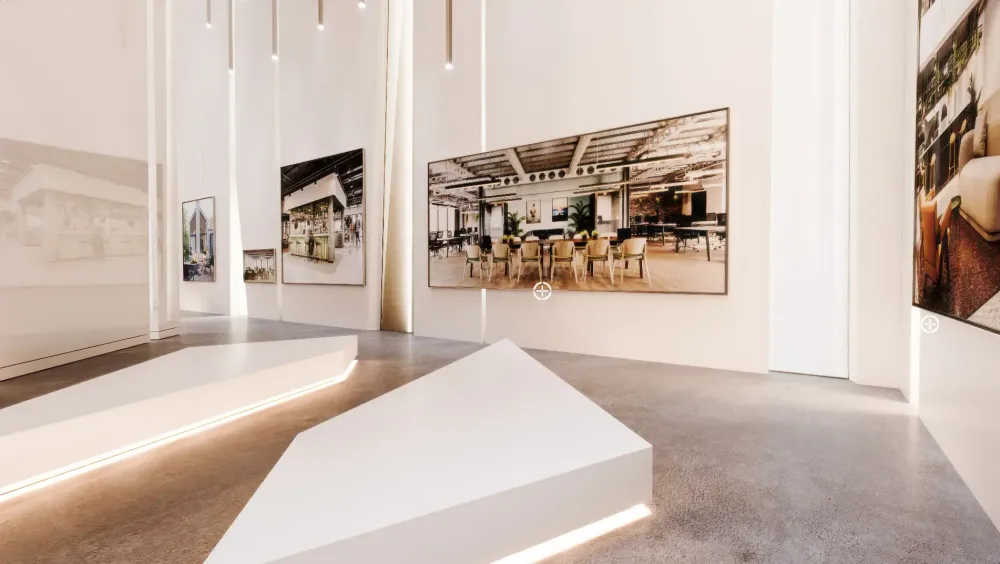
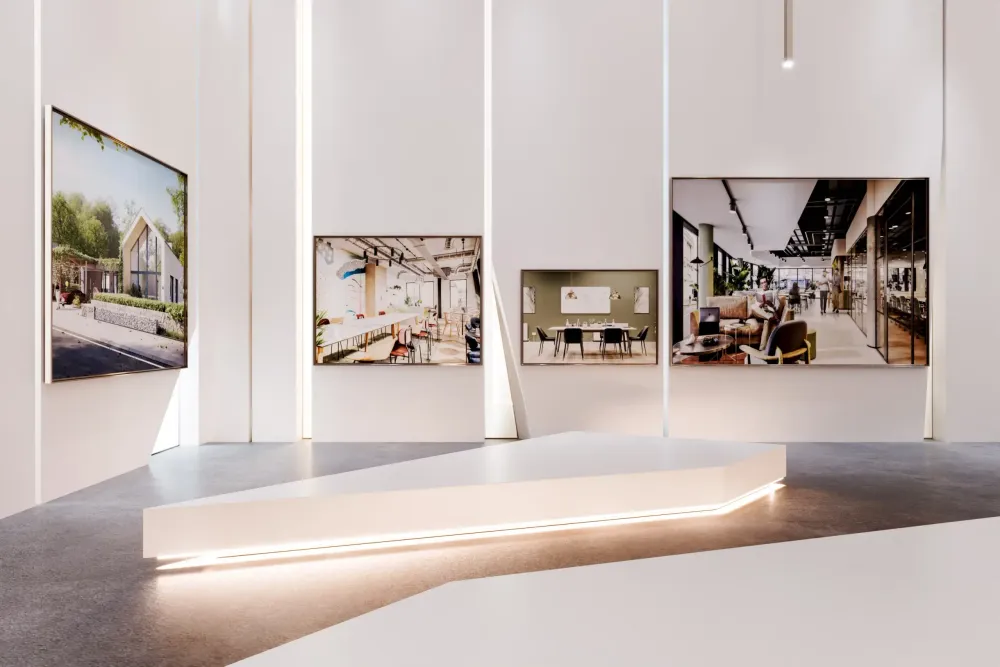
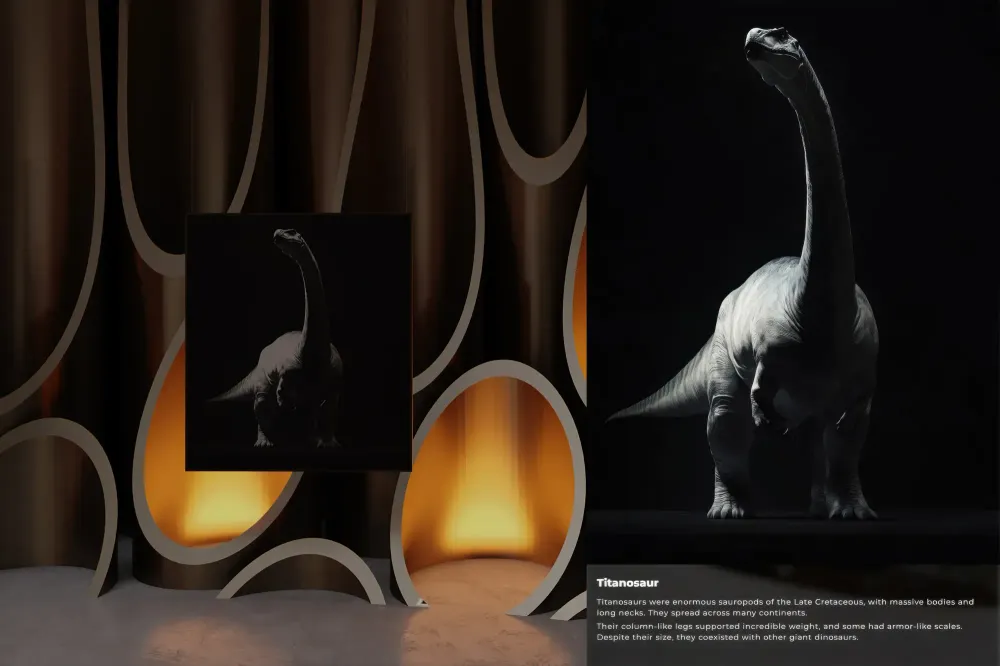
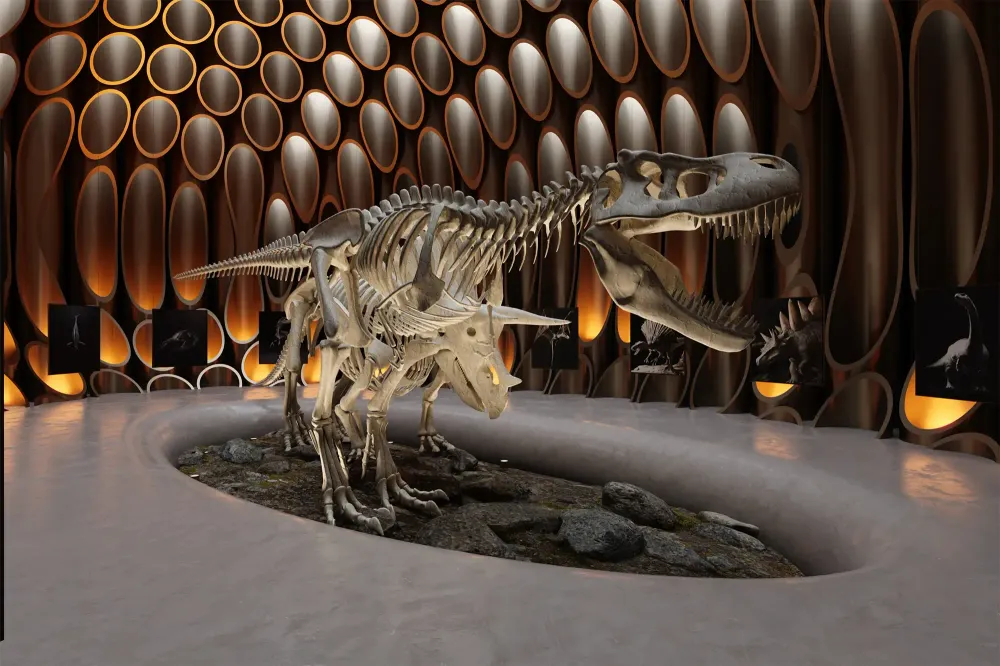
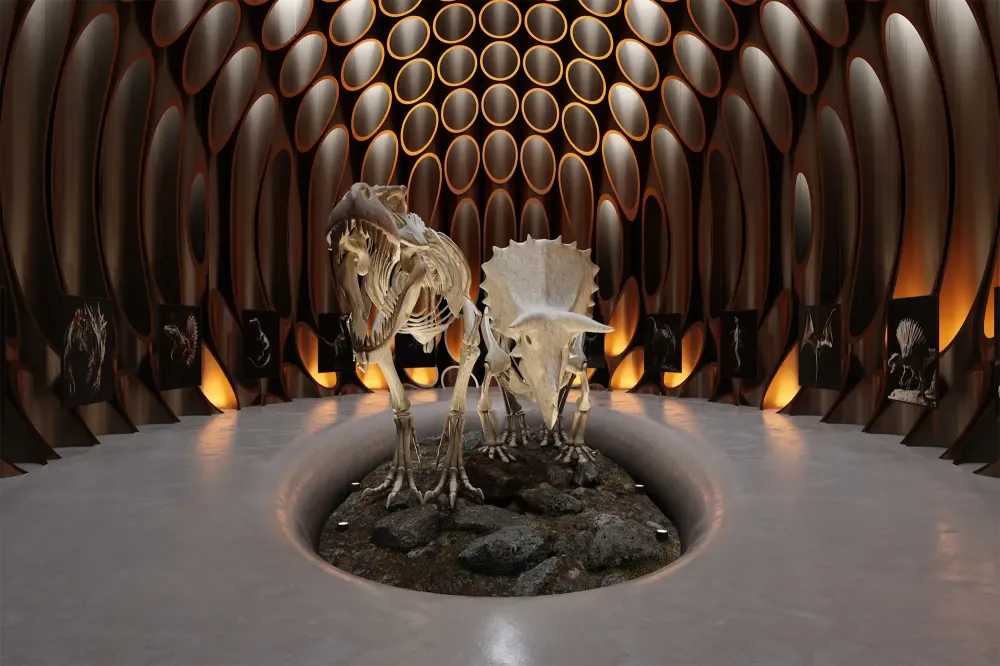
Virtual culture is a museum, gallery or private collection rebuilt as a 3D space visitors walk through in a browser, with no app and no headset. Our own demonstrator holds 104 viewpoints of a natural history collection and took 8 weeks to build.
Overview
Re-imagining Cultural Spaces
Physical barriers, limited opening hours, and travel costs no longer need to restrict the impact of your cultural mission. Whether you represent a national museum, a commercial art gallery, or a private collection, the digital realm offers an infinite canvas. We do not simply replicate rooms; we engineer accessible, narrative-driven environments that turn passive viewers into active participants, ensuring your exhibits resonate with a global, digital-native audience.
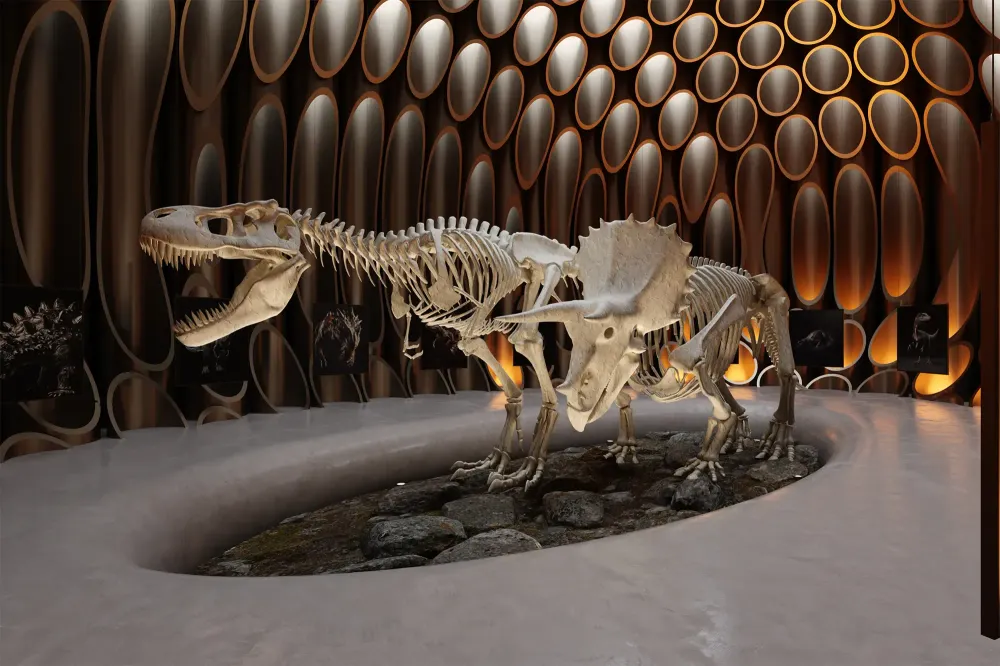
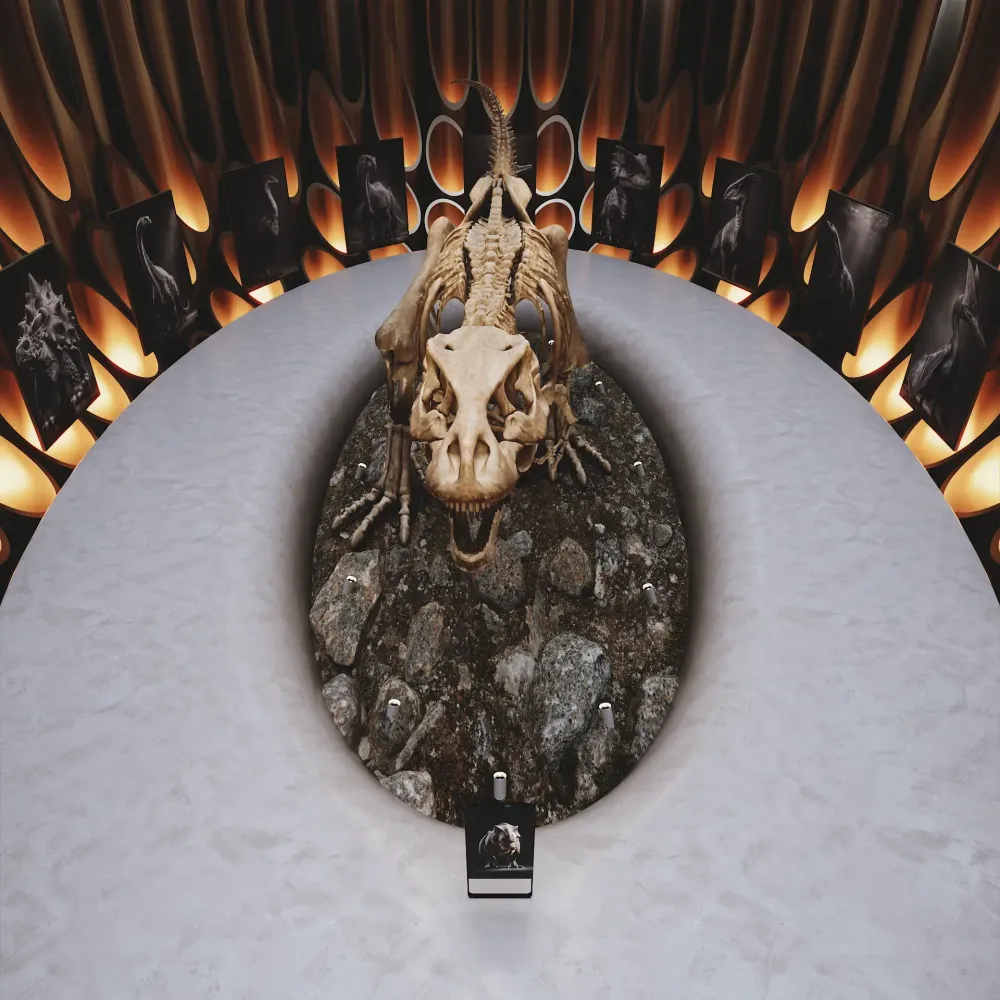
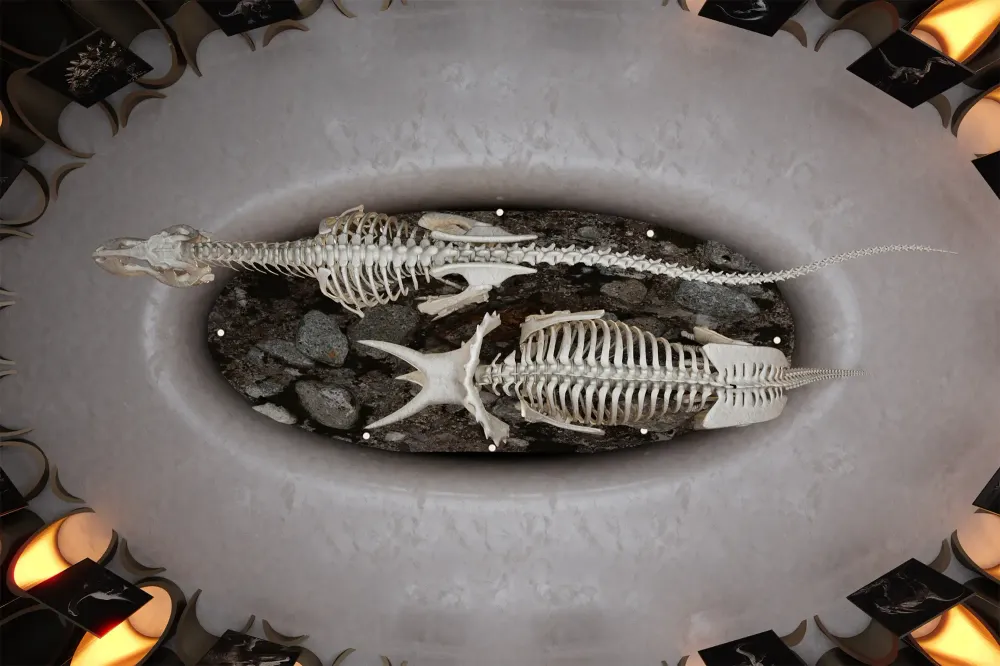
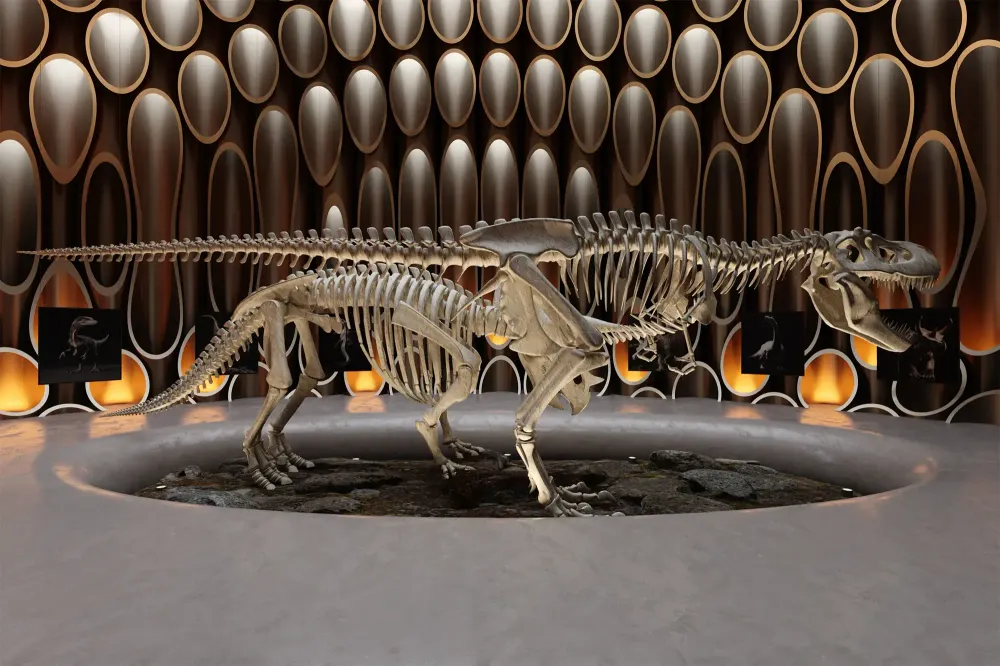
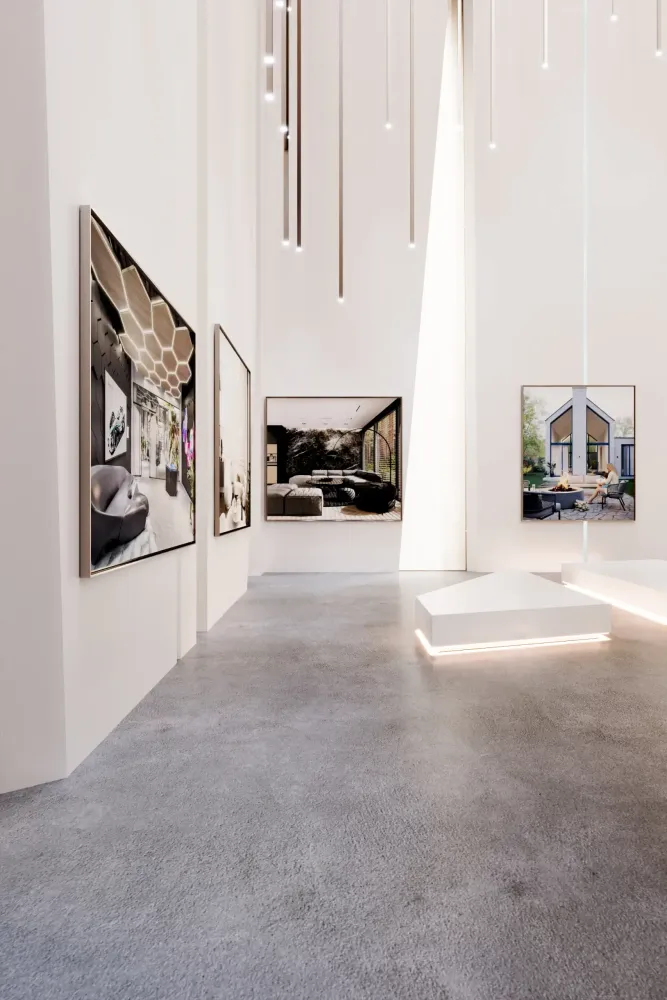
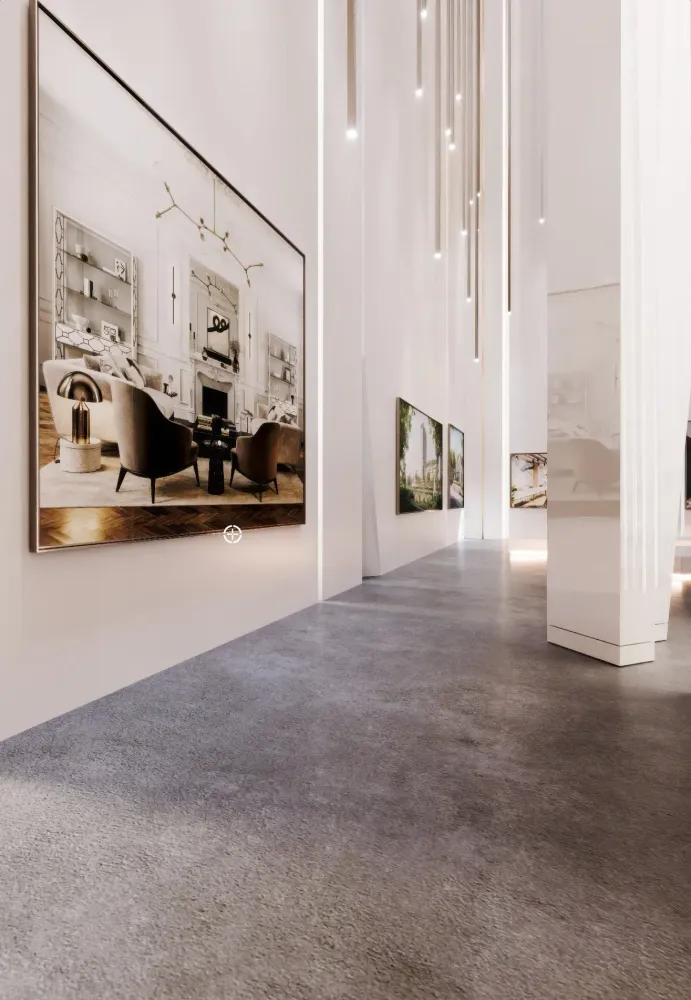
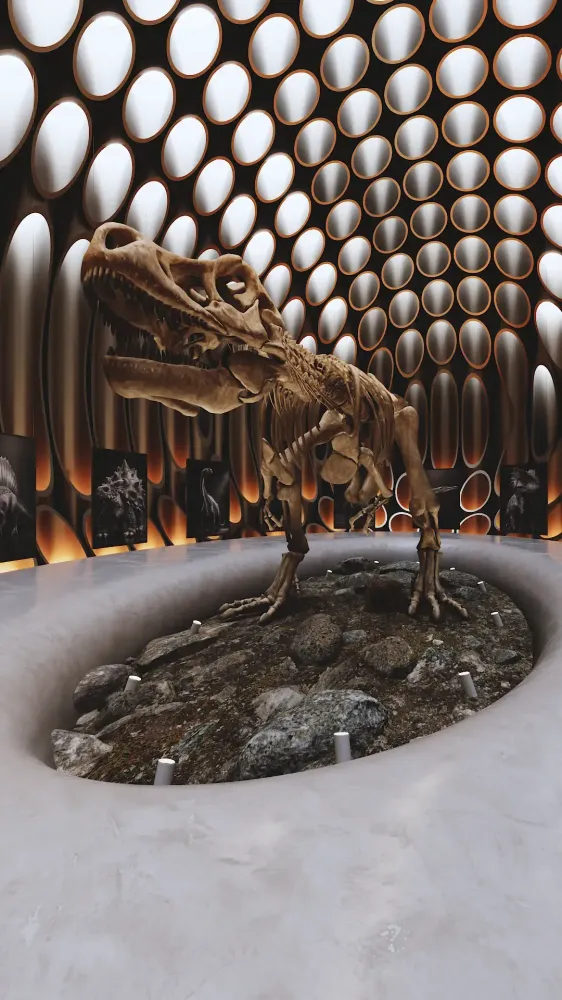
01 / 15
500+
Projects
1h
Estimate
5K
Stills
4K
Animation
Virtual Culture Projects

See what your project would cost.
Our process
How We Work
Discover everything about our studio, from our creative process and workflow to what we deliver. Learn how we bring your vision to life with exceptional quality and clear communication.
See our processVirtual Culture in detail
- Detailed Approach
- Tools & Tech
- Pipeline Integration
- Deliverables
The Philosophy of Virtual Culture
The digitalization of culture is often misunderstood as a threat to physical institutions. Skeptics argue that a screen cannot replace the aura of an original painting or the scale of a historical monument. At 100CGI, we agree. That is why we do not try to replace the physical experience; we create an entirely new medium that complements and expands it. Virtual culture is not about putting JPEGs on a webpage; it is about spatial storytelling.
Our approach centers on Democratization and Context. In a physical museum, a visitor might glance at a display case for three seconds. In our virtual spaces, we can let them pick up the artifact (digitally), rotate it, strip away layers to see the internal structure, or transport them back in time to see the object in its original historical context. We turn static observation into active investigation.
Designing for the Digital flâneur
We treat digital visitors as explorers. The architecture of a virtual gallery must guide without forcing. We utilize lighting cues, ambient audio, and intuitive pathing to lead visitors through a narrative arc. For art galleries, this means escaping the 'white cube' stereotype. Why display a surrealist painting on a white wall when it could be floating in a void that defies physics? We push the boundaries of imagination to create backdrops that amplify the emotional weight of the artwork.
The Business of Art & Heritage
Beyond aesthetics, we engineer these spaces for functionality. For commercial galleries, the friction between viewing and buying is removed. A collector can view a sculpture, visualize it in their own living room using AR integration, and execute a secure transaction via blockchain or traditional payment gateways instantly. For museums, we turn educational outreach into a measurable metric. We provide tools that allow teachers to lead guided tours for students on the other side of the world, creating a 'Metaverse classroom' that feels shared and alive.
We also tackle the challenge of attention economy. By integrating gamified elements, scavenger hunts within a history museum or interactive creation tools in an art gallery, we increase dwell time significantly compared to traditional websites. We build cultural hubs that people want to return to, not just visit once.
The Tech Stack Powering Immersion
To deliver high-fidelity cultural experiences that run smoothly on everything from a high-end PC to a mid-range smartphone, we utilize a hybrid technology stack tailored to the project's specific needs.
Core Engines & Platforms
- Unreal Engine 5 & Unity: For projects requiring absolute photorealism, dynamic lighting (Lumen), and complex physics, we utilize these industry-leading game engines. When the visual fidelity exceeds browser capabilities, we deploy Pixel Streaming technology. This renders the scene on powerful cloud servers and streams it to the user's device as video, allowing for cinema-quality graphics on a mobile phone with zero lag.
- WebGL & Three.js: For maximum accessibility and instant loading without downloads, we build lightweight, highly optimized web-based environments. These run natively in any browser (Chrome, Safari, Firefox) and are perfect for wider outreach campaigns where ease of access is paramount.
Digitization & Assets
- Photogrammetry & LiDAR: We do not guess dimensions. We use laser scanning and high-resolution photography to create 'Digital Twins' of physical artifacts or entire heritage sites. This ensures sub-millimeter accuracy, crucial for archival purposes and historical integrity.
- Gaussian Splatting: Utilizing the latest in 2026 rendering techniques, we employ 3D Gaussian Splatting to capture real-world scenes with unprecedented lighting and reflection accuracy, creating a sense of 'being there' that traditional 3D geometry struggles to match.
Optimization Standards
We strictly adhere to GLTF and USDZ standards for 3D asset delivery, ensuring compatibility across the web and AR ecosystems (iOS and Android). Our pipelines include automated LOD (Level of Detail) generation, ensuring that a user on a slow connection still gets a smooth experience, with visuals scaling up in quality as bandwidth allows.
Collaborative Workflow
Building a virtual cultural space requires close cooperation between our technical teams and your curators, historians, or sales directors. We have refined a pipeline that respects the nuance of your content while maintaining development speed.
Input Data & Curation
We start by ingesting your source material. This can range from physical blueprints of a museum to high-resolution TIFFs of paintings. We accept:
- Catalog Data: CSV or XML feeds containing metadata (Title, Artist, Date, Medium, Price/Insurance Value).
- Multimedia: Audio guide tracks (MP3/WAV), video interviews, and archival text.
- Physical Access: If on-site digitization is required, our field team coordinates with your security and conservation staff to scan objects with minimal disturbance.
Review & Curatorial Control
We understand that the placement of an artwork or the lighting of an artifact is a curatorial decision, not just a technical one. We utilize cloud-based review platforms where your team can 'walk' through the work-in-progress build. You can leave spatial comments (e.g., 'Move this painting 10cm higher' or 'Make this spotlight warmer') directly in the 3D environment. This ensures the final digital venue aligns perfectly with your brand identity and historical accuracy standards.
System Integration
We don't build silos. Our solutions plug into your existing ecosystem. We connect the virtual gallery's 'Buy' button to your existing Shopify, WooCommerce, or custom ERP system. For ticketing, we integrate with major platforms like Eventbrite or proprietary CRM systems to manage access for exclusive private views or VIP donor events.
What You Receive
Upon project completion, we hand over a comprehensive package designed for longevity and independence.
The Digital Experience
- Web Build: A fully hosted, URL-accessible virtual environment optimized for desktop and mobile browsers.
- VR Executable: (Optional) A standalone build for VR headsets (Meta Quest, Apple Vision Pro) for on-site kiosks or high-end remote experiences.
- AR Assets: Individual files allowing users to project specific artifacts into their physical space using their phones.
Asset Library
You own the data. We deliver the high-resolution 'Digital Twins' (3D models and textures) of your collection. These assets are future-proof and can be repurposed for marketing renders, academic research, or future metaverse integrations.
Operational Tools
- CMS Access: A backend Content Management System allowing your staff to swap out paintings, update text descriptions, or change video content without needing to write code.
- Analytics Dashboard: A custom configured view showing user behavior, heatmaps of popular zones, and conversion tracking.
- Training Documentation: Video tutorials and PDF guides for your team on how to manage live events, guided tours, and content updates within the virtual space.
FAQ
Costs vary significantly based on scale. A single custom gallery room might start in the low thousands, while a full digital twin of a national museum with hundreds of interactive artifacts is a larger investment. We tailor quotes to specific scope.
No. While our spaces support VR headsets for maximum immersion, we design primarily for accessibility. 90% of users will visit via standard web browsers on laptops, tablets, or smartphones without needing extra hardware.
Yes. We integrate secure e-commerce functionality. Users can click an artwork, view details, and purchase via credit card or crypto wallet directly within the interface, or reserve pieces for inquiry.
We use non-contact photogrammetry and laser scanning. Our equipment captures detail from a safe distance without touching the object, ensuring zero risk to delicate historical items while achieving sub-millimeter accuracy.
Absolutely. We provide a Content Management System (CMS) that allows your team to update exhibition images, text, and videos instantly. The virtual architecture can also be expanded with new rooms as your collection grows.
A 360 tour is a static bubble photograph; you can look around but cannot move freely. Our 3D environments are fully volumetric (like a video game), allowing users to walk anywhere, look behind objects, and interact with the space.
Ready to get started?
Talk through your virtual culture project on WhatsApp, or see exactly what it costs.
Where we work
Further reading
CGI Virtual Tours for Museums and Galleries: Built Without a Camera
How a CGI virtual museum or gallery tour is built from 3D rather than photographed, what it lets cultural spaces do, and where it beats a camera scan.
Read the guide