Office 3D Visualization
Office 3D visualization is how a design-and-build firm shows a client the finished workplace before the strip-out even s...

Commercial Office / 360 VR Letting Tool — Dublin, Ireland
After a flagship project went well, an institutional landlord handed us their newly acquired prime asset in Dublin and asked for the same thing at portfolio scale: immersive 360 VR tours that turn a raw, empty floor plate into a workspace a prospective tenant can actually walk through. The goal was blunt and commercial. Cut the vacancy, market to international prospects, and stop relying on tenants to imagine the finished space.


After a flagship project went well, an institutional landlord handed us their newly acquired prime asset in Dublin and asked for the same thing at portfolio scale: immersive 360 VR tours that turn a raw, empty floor plate into a workspace a prospective tenant can actually walk through. The goal was blunt and commercial. Cut the vacancy, market to international prospects, and stop relying on tenants to imagine the finished space.
This is the work I care most about. Selling space before it exists, inside the leasing pitch, is the core of what my studio does, and we build our 360-tour tech in-house for exactly this.
An empty office shell is one of the hardest things in commercial property to lease. You're asking a tenant to look at bare concrete and a glazing line and picture circulation, density, daylight and finish quality, all at once, from nothing. Most can't. So they hesitate, or they low-ball, or they go and look at a competitor's fitted space instead.
A fully-CGI 360 tour removes that ask entirely. Instead of imagining the workspace, the prospect stands in it. They look around, move between zones through hotspots, and get an immediate, physical sense of scale and quality. For a landlord marketing across different geographic markets at once, that tour does the viewing before anyone books a flight.
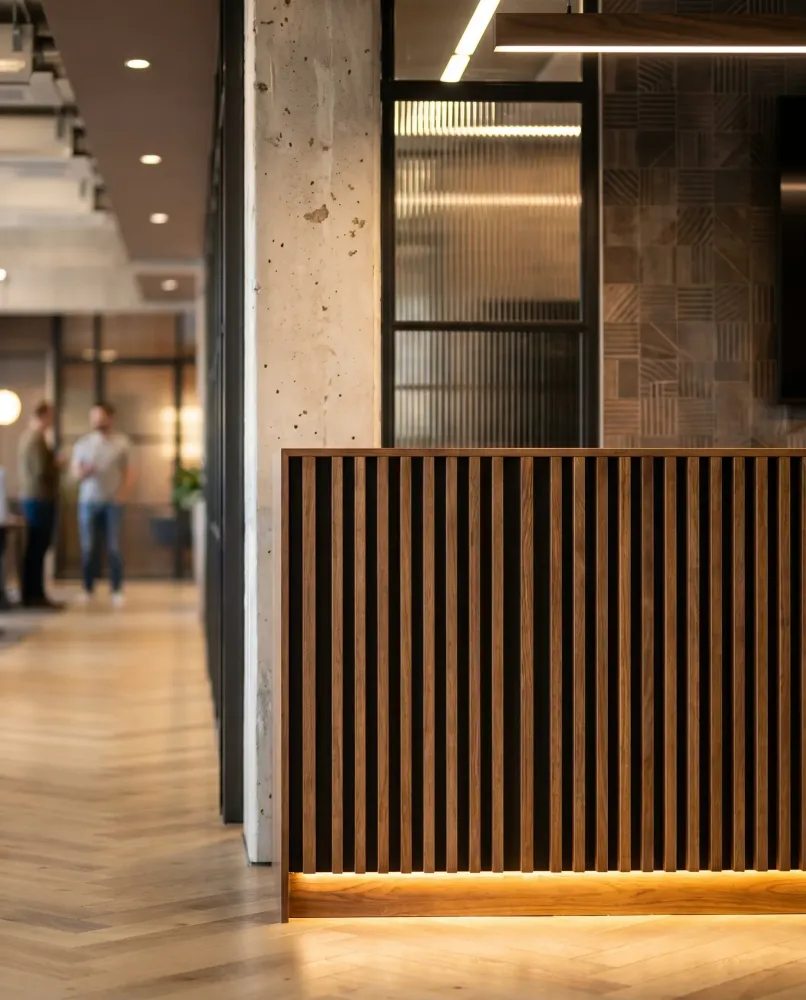
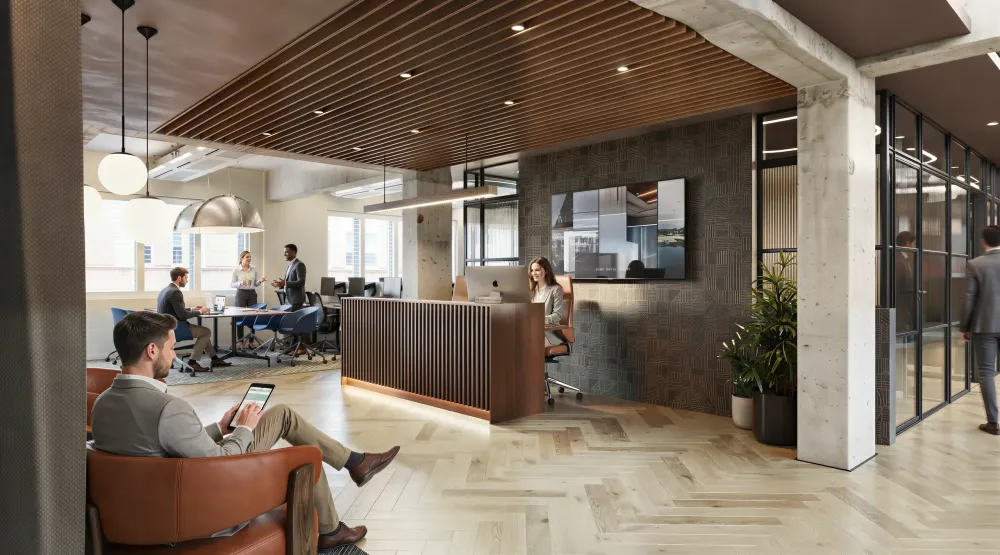
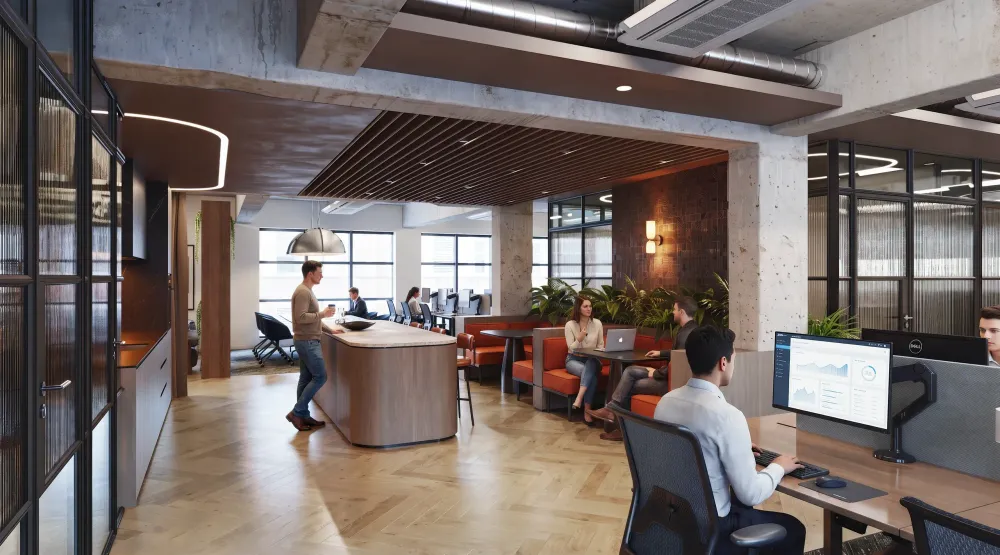
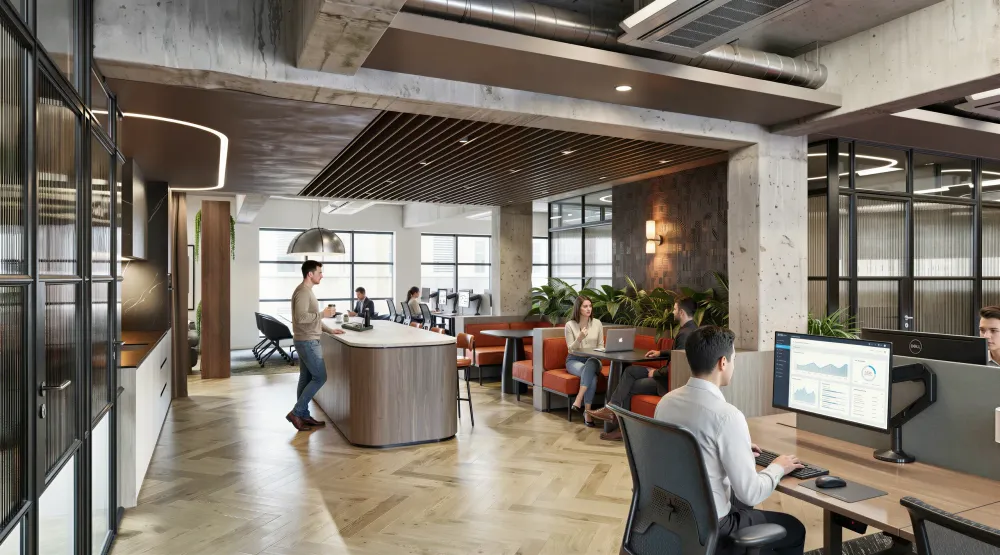
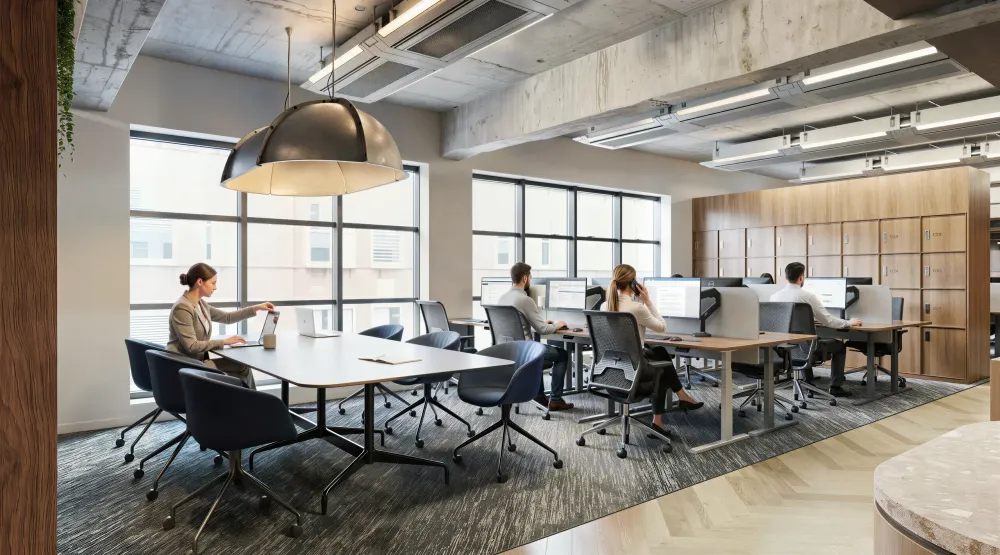
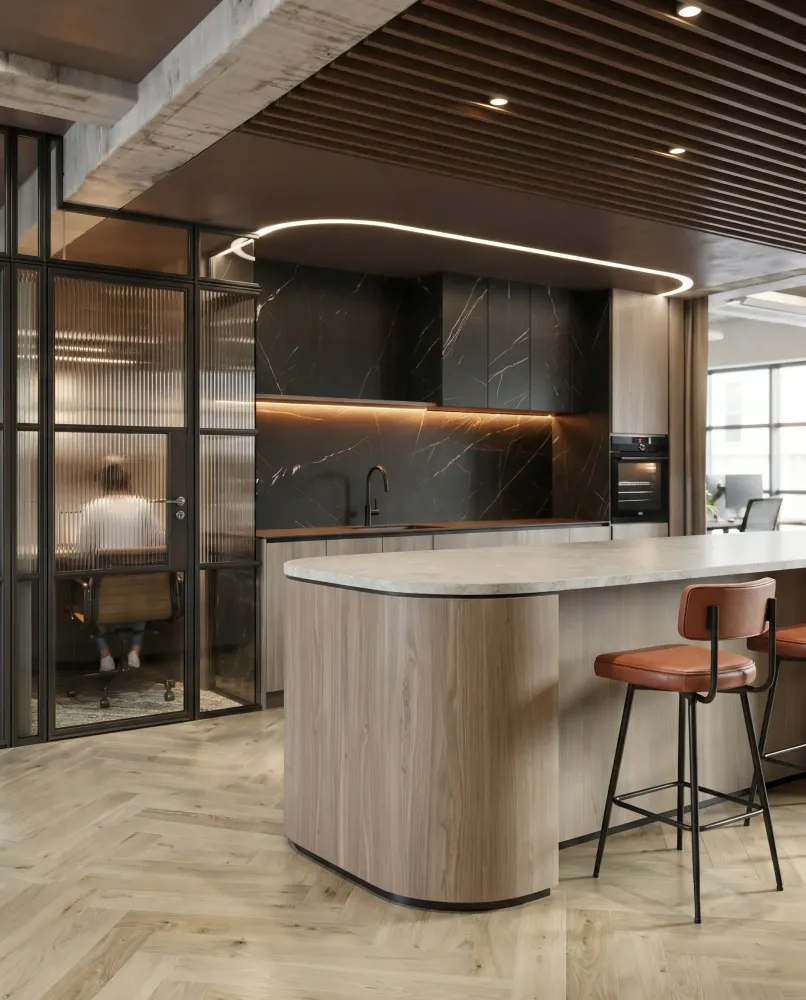
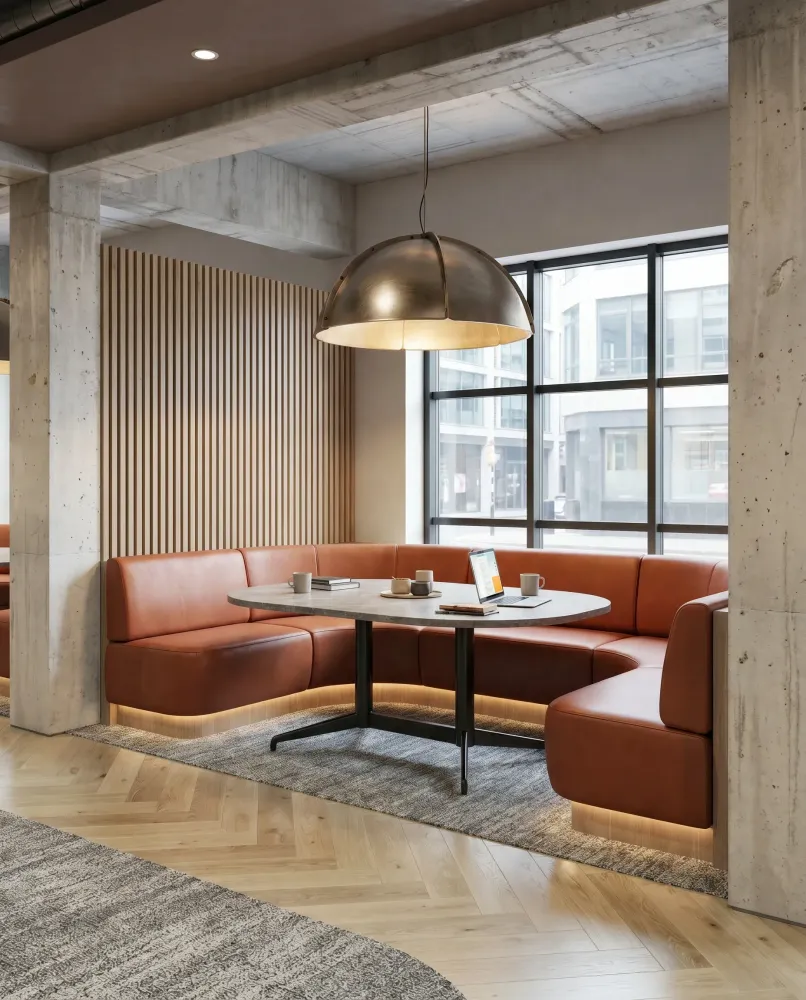
We started in the blueprints, planning the daily circulation to push desks toward natural light and keep the flow legible. Then we developed custom material shaders from scratch, calibrating everything from the grain of the sustainable oak joinery to the gloss level of the glass partitions, because a 360 tour is unforgiving: the viewer can stop and stare at any surface for as long as they like, from any angle. There's nowhere for a cheap texture to hide.
Finally we mapped a logical sequence of hotspots so a prospect moves naturally between zones rather than teleporting around at random. I'll be honest about a real constraint here: a 360 tour lives or dies on the worst single panorama, not the best one. One flat, badly-lit viewpoint and the tenant's trust in the whole space drops. So the effort is spread evenly, not lavished on a hero shot.
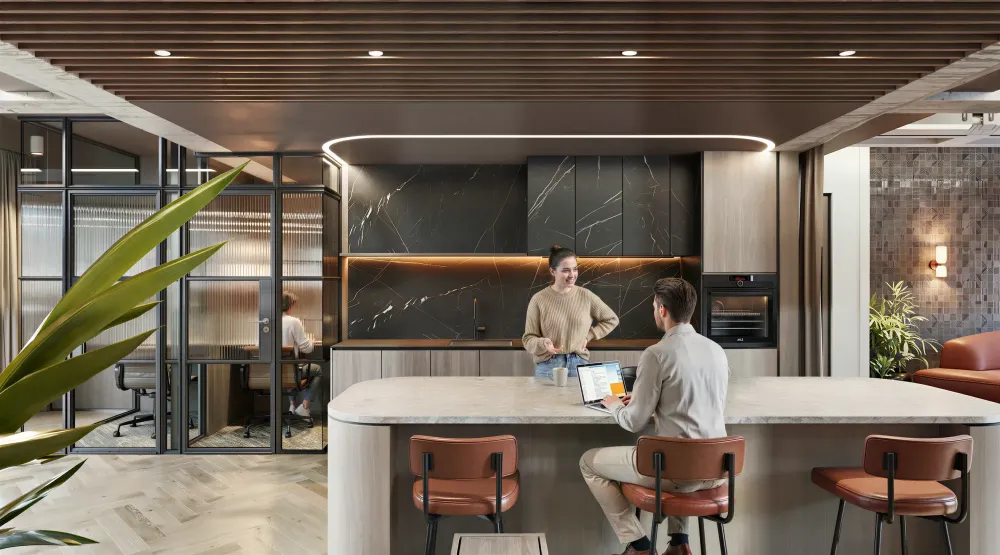
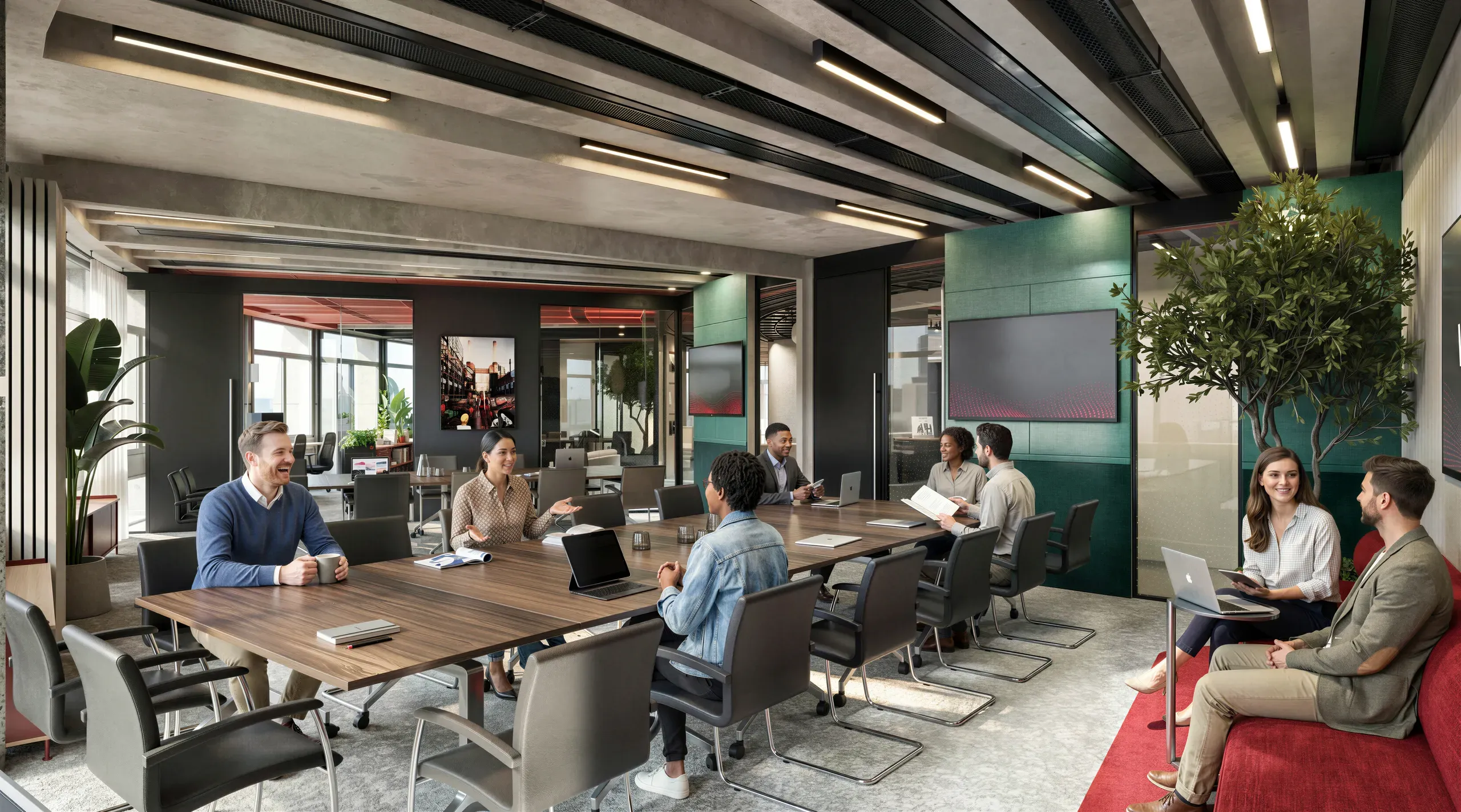
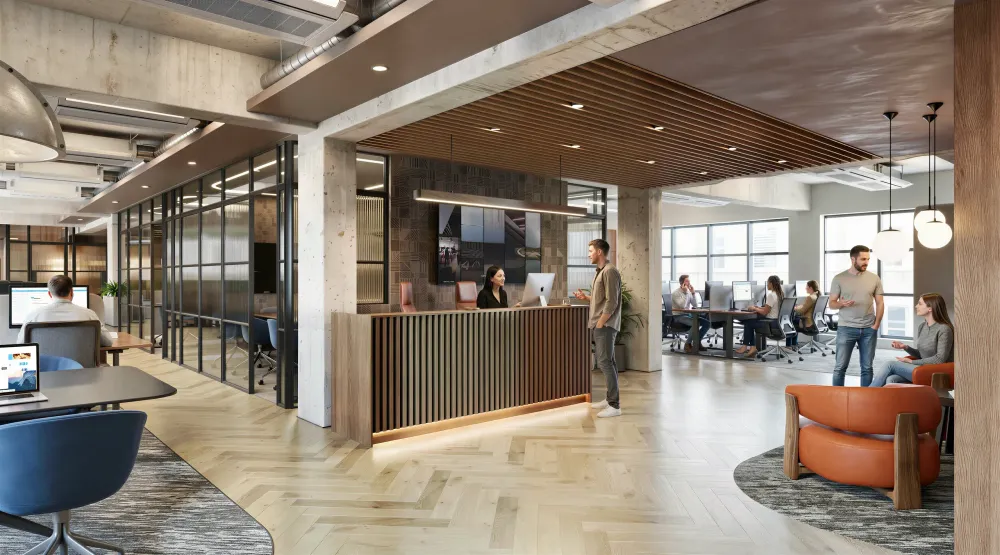
We split each floor into roles that read instantly. Open-plan desk clusters sit hard against the external glazing for daylight and collaboration. Formal boardrooms and glass-enclosed break-out suites handle hybrid teamwork, video calls and client presentations. Social hubs, fitted kitchen islands and relaxed lounge seating, carry the culture side, the coffee breaks and the evening client entertaining.
Here's the line I'll defend: a CGI 360 tour of an unbuilt space beats a Matterport scan of a finished one for letting, every time. Matterport is a brilliant measuring and space-capture tool, I use it on real projects, but it can only show you what already exists. To let space before it's built, you need the CGI tour. They're not rivals; they're different jobs.
The tours let prospects from any market walk the proposed workspace and grasp scale, flow and material quality before setting foot on site. That qualified leads early, de-risked the leasing process, and helped the landlord pull international interest and faster tenancy agreements out of floors that were, physically, still empty.
A web-based, interactive walkthrough built entirely from 3D renders rather than a scan, letting a viewer look around in 360 degrees and move between zones through hotspots, all before the space is built.
Matterport scans a space that already exists, and it's excellent for measuring and capture. A CGI 360 tour shows an unbuilt space, which is what you need to let or sell before fit-out.
A bare shell forces tenants to imagine the finished workspace, which stalls deals. A 360 tour lets them stand in it instead, qualifying interest before a physical viewing.
No. The tours are web-based and run on a phone, tablet or desktop, with a headset as an option rather than a requirement.